Source Oscillating Agriculture Sprinkler for Farm, Garden, and Field
Find 29 oscillating agriculture sprinkler options from China suppliers. Compare models like RS5035 and RAMS1001, noting features such as 360-degree rotation, plastic construction, and flow rates ranging from 22L/H to 80L/H. Evaluate specifications including nozzle diameter and packing details to select the right irrigation solution.
Key considerations
Products List


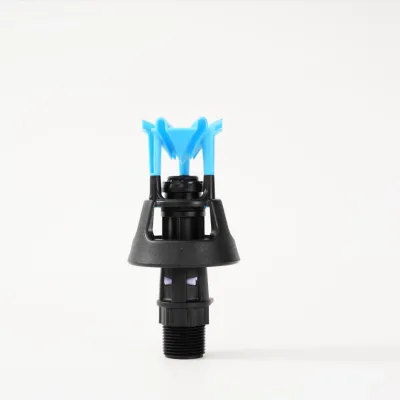
Comprehensive Sourcing Guide
Oscillating Agriculture Sprinkler Sourcing Guide
Sourcing oscillating agriculture sprinklers requires a clear understanding of the mechanical differences between gear-driven and impact models, as well as the specific flow dynamics required for crop health. These devices are essential for uniform water distribution in open fields, leveraging a back-and-forth motion to cover rectangular areas efficiently. Buyers must distinguish between simple manual units and those with adjustable radius capabilities to match their irrigation infrastructure. The core value lies in consistent coverage and durability under continuous water pressure, making material selection and nozzle design critical evaluation points during the procurement process.
Procurement teams should prioritize suppliers who provide transparent technical data regarding spray radius and flow rates, as these metrics directly impact water usage efficiency and crop yield. The oscillating mechanism must withstand varying water pressures without leaking or breaking, which necessitates rigorous testing of seals and moving parts. By focusing on suppliers with verified production capabilities in established manufacturing hubs like Fuzhou, China, buyers can access a wide range of models tailored to different agricultural scales. This guide outlines the key verification steps to ensure the selected sprinklers meet operational demands while maintaining cost-effectiveness and long-term reliability in field conditions.
Product Scope and Observed Listing Signals
The current market for oscillating agriculture sprinklers features a diverse range of models, with observed product counts indicating a robust supply chain. Listings frequently highlight specific model numbers such as 1402, 1731, and 1119, which often correspond to distinct nozzle diameters or housing designs. Buyers will encounter variations in packing configurations, ranging from individual units to bulk cartons containing up to 3,200 pieces, which significantly influences logistics planning. The presence of customization options suggests that manufacturers are willing to adapt standard designs to meet specific client requirements, offering flexibility for large-scale agricultural projects.
Observed price ranges span from low-cost entry-level units to premium models, reflecting differences in material quality and mechanical complexity. Minimum order quantities typically start at one unit but can extend to 5,000 pieces, allowing both small farms and large agribusinesses to procure suitable inventory. Weight observations indicate that finished goods generally range between 12 and 13 kilograms per carton, a factor that must be considered when calculating freight costs. These signals help buyers gauge market availability and negotiate terms that align with their budget constraints and storage capabilities, ensuring a smooth supply chain integration.
Technical Specifications to Verify
Verifying technical specifications is paramount to ensuring the sprinklers perform as expected in the field. Key attributes to confirm include the nozzle diameter, which often measures around 4mm, and the flow rate, which typically ranges from 30 to 80 liters per hour depending on the model. Pressure requirements are another critical factor, with many units operating effectively between 1.0 and 3.0 bar, though some may require up to 3.0 bar for optimal performance. Buyers should also check the spray radius, which can vary from 1 to 3 meters, to ensure adequate coverage for their specific crop rows and spacing.
The construction material is usually plastic, chosen for its corrosion resistance and lightweight nature, but the quality of this material can vary significantly between suppliers. It is essential to verify the thread standard, such as 1/2" or G3/4", to ensure compatibility with existing irrigation pipes and fittings. Additionally, the adjustment direction should allow for a wide range, often up to 360 degrees, to provide flexible coverage patterns. Confirming these details prevents costly mismatches between the sprinklers and the farm’s infrastructure, ensuring seamless installation and operation from day one.
Compliance and Safety Documentation
While specific certification statuses may not always be explicitly listed, buyers should request documentation that verifies compliance with relevant safety and quality standards. In the agricultural sector, materials used in sprinkler construction must be safe for contact with water and soil, ensuring no harmful chemicals leach into the environment. Buyers should inquire about any internal quality control processes or external audits that the supplier has undergone, such as ISO9001, to gauge their commitment to consistent manufacturing practices. This due diligence helps mitigate risks associated with product failure or environmental contamination.
Documentation should also include detailed user manuals and maintenance guidelines, which are crucial for extending the lifespan of the equipment. Suppliers should provide clear instructions on how to adjust the spray pattern and clean the nozzles to prevent clogging. Verifying that the product origin is clearly stated, such as Fuzhou, China, adds a layer of transparency to the supply chain. By ensuring all necessary compliance and safety documents are available, buyers can protect their operations from regulatory issues and ensure that the sprinklers meet international quality expectations.
Cost Drivers and Commercial Terms
Several factors influence the final cost of oscillating agriculture sprinklers, including material quality, packaging efficiency, and order volume. The weight of the product, often around 12 to 13 kilograms per carton, directly impacts shipping costs, making efficient packing designs a significant cost saver. Buyers should negotiate terms that account for bulk discounts, especially when ordering quantities that fill standard shipping containers. Understanding the relationship between unit price and minimum order quantity allows for better budget forecasting and inventory management.
Commercial terms should also address warranty policies and return procedures in case of defective units. Suppliers offering customization options may charge additional fees, which should be clearly outlined in the contract. Payment terms, such as deposits and balance payments upon shipment, need to be aligned with the buyer’s cash flow requirements. By carefully evaluating these cost drivers and negotiating favorable commercial terms, buyers can optimize their total cost of ownership while maintaining high standards of product quality and service reliability.
Supplier Qualification and Quality Control
Qualifying suppliers involves assessing their production capacity, quality control processes, and track record in the agricultural equipment sector. Buyers should verify that the supplier has a dedicated quality assurance team that conducts random sampling and pressure testing on finished goods. Requesting samples before placing large orders is a critical step to evaluate the build quality, ease of adjustment, and durability of the oscillating mechanism. Suppliers with a history of exporting to diverse markets are often more reliable in meeting international standards and delivery schedules.
Quality control should extend to the packaging process, ensuring that units are protected against damage during transit. The use of standard export carton boxes or bags plus cartons indicates a professional approach to logistics. Buyers should also inquire about the supplier’s ability to handle custom orders, including logo printing or specific packaging requirements. Establishing a strong relationship with a qualified supplier ensures consistent product quality and reduces the risk of supply chain disruptions, providing peace of mind for long-term procurement needs.
Long-Term Procurement Checks
Long-term procurement success depends on regular performance reviews and continuous supplier engagement. Buyers should monitor the sprinklers’ performance in the field, tracking metrics such as coverage uniformity, leak frequency, and maintenance requirements. Feedback from field operators should be shared with the supplier to drive product improvements and address any recurring issues. Establishing a feedback loop ensures that the procurement strategy evolves with changing agricultural needs and technological advancements.
Regular audits of supplier performance, including on-time delivery rates and defect ratios, help maintain high standards of supply chain reliability. Buyers should also stay informed about market trends and new product developments, such as more energy-efficient or smart irrigation solutions. By maintaining a proactive approach to supplier management and product evaluation, buyers can secure a competitive advantage through reliable, high-quality irrigation equipment. This long-term perspective ensures that the procurement function contributes directly to the overall efficiency and sustainability of agricultural operations.
FAQs
What is the spray radius of the oscillating sprinkler?
The spray radius ranges from 2 to 3 meters for specific models. This coverage allows efficient irrigation for medium-sized agricultural plots without requiring excessive water pressure or frequent repositioning during operation.
Can the sprinkler angle be adjusted for different needs?
Yes, the adjustable direction spans from 25 to 360 degrees. This flexibility enables users to customize the spray pattern to match specific field layouts or crop requirements effectively.
What is the flow rate for the garden impact sprinkler?
The flow rate typically falls between 30 and 40 liters per hour. This rate ensures consistent water distribution suitable for various agricultural irrigation applications without wasting resources.
Which material is used to construct these sprinklers?
These units are constructed from durable plastic materials. This choice ensures resistance to corrosion and weathering while maintaining a lightweight design for easy handling and installation in the field.
How is the product packed for export shipping?
Products are packed in standard export carton boxes or bags plus cartons. Specific configurations vary by model, with some cartons holding up to 3200 pieces for bulk efficiency.
What is the origin location of these sprinkler products?
The products originate from Fuzhou, China. This location serves as the primary manufacturing hub for these agricultural irrigation tools before they are distributed to international buyers.
Can the sprinkler be customized for specific requirements?
Customization is available for these irrigation products. Buyers can request specific modifications to meet unique operational needs or regulatory standards required for their particular agricultural projects.